By Anshul Wadhwa · Career Counsellor, CCGP Level 1 · Last updated
Your results are ready.
Complete every required field to see your portfolio plan. Fields marked * are required. The two follow-up options are optional.
Indicative only: based on your answers, not a final decision, prediction or guarantee. Please do not decide on this alone.
Keep your plan
Complete the required details to prepare your result.
Reference shelf
Read before you start (optional)
This result is indicative. It is based only on the answers you gave. It is not professional advice, an admission or job prediction, or a guarantee of any outcome. Treat it as one input. Before you decide, check eligibility, fees and requirements with the institution, and talk to your parents or guardian and a qualified counsellor. The decision, and its outcome, remain yours. AptiGuide is not liable for decisions made on this result alone.
Choose the work before styling the portfolio
A practical starting guide
Start with a sample you can explain
For Class XI and XII students, college students and families exploring design. No marks, uploads or documents needed. Answer about one sample you might improve, or say you have none.
- Start with a sample you can explain.
- Write who it is for, what that person needs to do and a constraint you will work within.
- Keep your rough draft beside the finished version so you can explain what changed.
If your folder is empty
- Choose a small practice brief: a useful notice, a club booking flow, a carry detail or a study-corner layout.
- Use paper or a tool you already know.
- Finish a small sample before expanding it.
If your folder is full of templates
- Keep practice exercises labelled as practice.
- For your next sample, write a fresh brief and make your own layout decisions.
- Credit outside assets and help.
- Use your own or permitted material, and leave private client work out unless you have permission to show it.
If the visuals are ready
- Ask a willing viewer to try the work without your explanation.
- Keep an anonymous note of what confused them, make a revision and show the change beside the original.
- A short, honest caption is more useful than a story you cannot support.
If you are applying somewhere
- Open the exact course or opportunity page.
- Check whether it asks for a portfolio, drawings, a particular format or a specific task.
- Record the current instructions in your worksheet.
- A spatial practice project here is not a claim about architecture entry rules.
Questions you might have
What should I put in my first design portfolio?
Start with a small original sample you can explain: the brief, your draft, feedback, a change and what you learned. For an application, follow the exact official brief rather than treating this practice checklist as an entry requirement.
Can I use Canva or another template tool?
For this exercise, use any tool you already have. Label borrowed structures and credit outside assets. Make your own brief and decisions visible; the quiz does not judge a tool as a measure of talent.
Do I need to be good at drawing?
This quiz cannot decide your drawing ability or a course’s requirements. Check the exact current course brief. The practice tasks can begin with rough labelled sketches, paper and notes.
Is this a visual design ability test?
No. The fictional notice is a prompt about what you would edit first. There is no talent score, portfolio grade or practising-designer assessment of your work.
Does this work for fashion and spatial design?
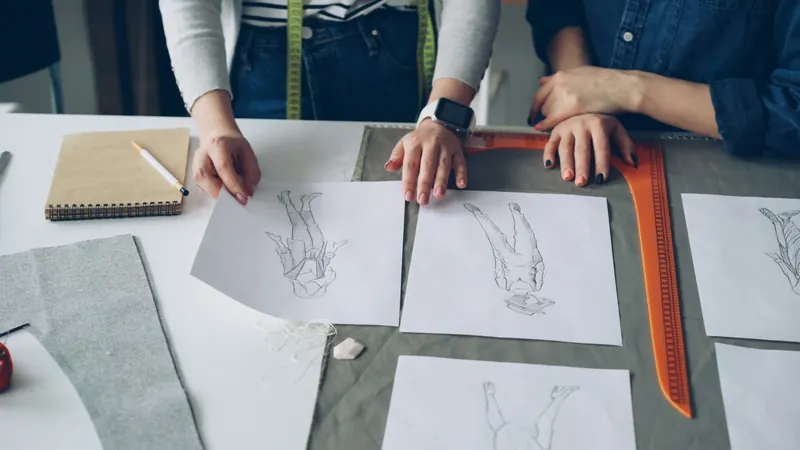
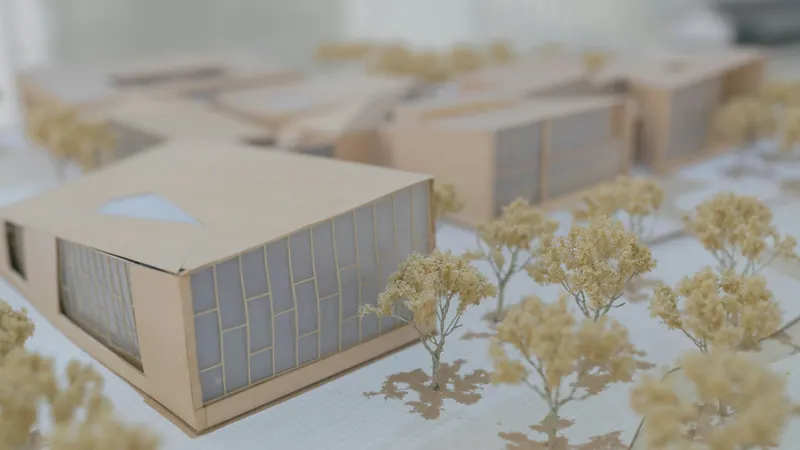
Yes, as a starting exercise: the fashion branch uses a wearer-led carry detail and the spatial branch uses a familiar study corner. Check any application requirements separately.
Can I make the sample with only a phone?
Yes for these suggested exercises. Sketch on paper, photograph the work and keep brief notes. If a submission needs a different file or format, check that before sending.
What if I have no one to test it with?
Prepare the task prompt and ask a willing classmate, teacher or family member who resembles the intended viewer. If nobody is available this week, save the draft with feedback marked pending. Do not invent a response.
Can a parent answer for a student?
Yes. Choose the parent mode and discuss the suggested task with the student before making it their plan. The result uses the answers supplied, which may differ from the student’s own view.
Why do I have to give contact details?
Contact and education details, acknowledgements and result-email consent are required before the result. The separate follow-up options are optional. You can read, print and download the result after the gate even if online saving is pending; an email is not confirmed by that local result.
Do I need paid help after the quiz?
No. The task, weekly plan and worksheet are complete on their own. Optional help appears after them and says who can skip it. Ask a practising designer or design teacher for feedback on the craft of the work.