The "Scam" Behind Perfect Food Ads: How to Become a Food Stylist and Earn Per Day
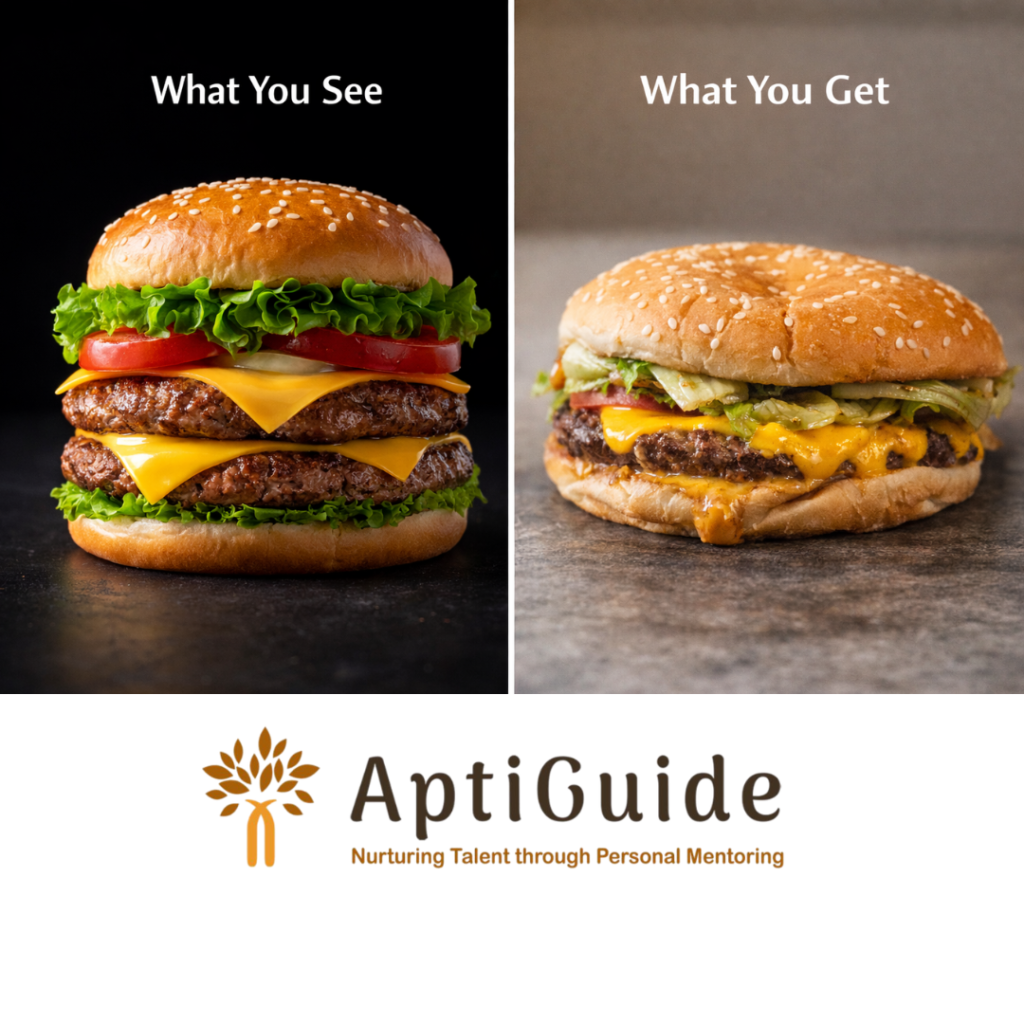
We have all experienced this exact moment of betrayal. You see a mouth-watering advertisement for a fast-food burger—it looks incredibly juicy, the lettuce is crisp, the cheese is melting perfectly, and it stands tall and proud. You order it. But what actually arrives in your delivery box looks like a squashed, sad, deflated tyre.
Your first instinct is to think, “What a scam!”
But inside the commercial advertising industry, that isn’t considered a scam at all. That is the highly calculated, heavily engineered magic of Food Styling.
If you are a student who loves the culinary world but doesn’t necessarily want to sweat in a hot restaurant kitchen for 14 hours a day, you need to read this. Big brands like Zomato, Swiggy, and McDonald’s don’t just hire chefs—they hire specialized experts to make their food look absolutely flawless on camera.
This is a full-fledged, elite career path where professionals do not earn a standard monthly salary; they charge by the day. Let’s break down the hidden world of the Food Stylist, the insider secrets they use, and the exact academic roadmap you need to become one.
What Exactly is a Food Stylist?
To understand this career, you have to completely separate it from the traditional idea of cooking.
- A Chef: Cooks for the taste. Their ultimate goal is the flavor, texture, and satisfaction of the person eating the dish.
- A Food Stylist: Cooks for the eye. Their job is to ensure that the food looks fresh, mouth-watering, and structurally perfect under harsh, bright studio lights and high-definition cameras.
A Food Stylist is an artist and an engineer. Their daily work is a fascinating intersection of Culinary Arts + Physics + Aesthetics. In this profession, the food doesn’t actually have to be edible; it just has to look incredibly delicious to the consumer looking at a billboard or a smartphone screen.
The "Insider Secrets": How Food is Engineered for the Camera
You do not just cook in this industry; you “construct”. Real food is unpredictable. Real food melts, wilts, shrinks, and loses its shine within minutes of being plated. Because an advertising shoot can take 8 to 10 hours to get the perfect lighting, stylists have to use literal chemistry and hardware tools to keep the food looking fresh.
Here are the real techniques used by top professionals in the industry:
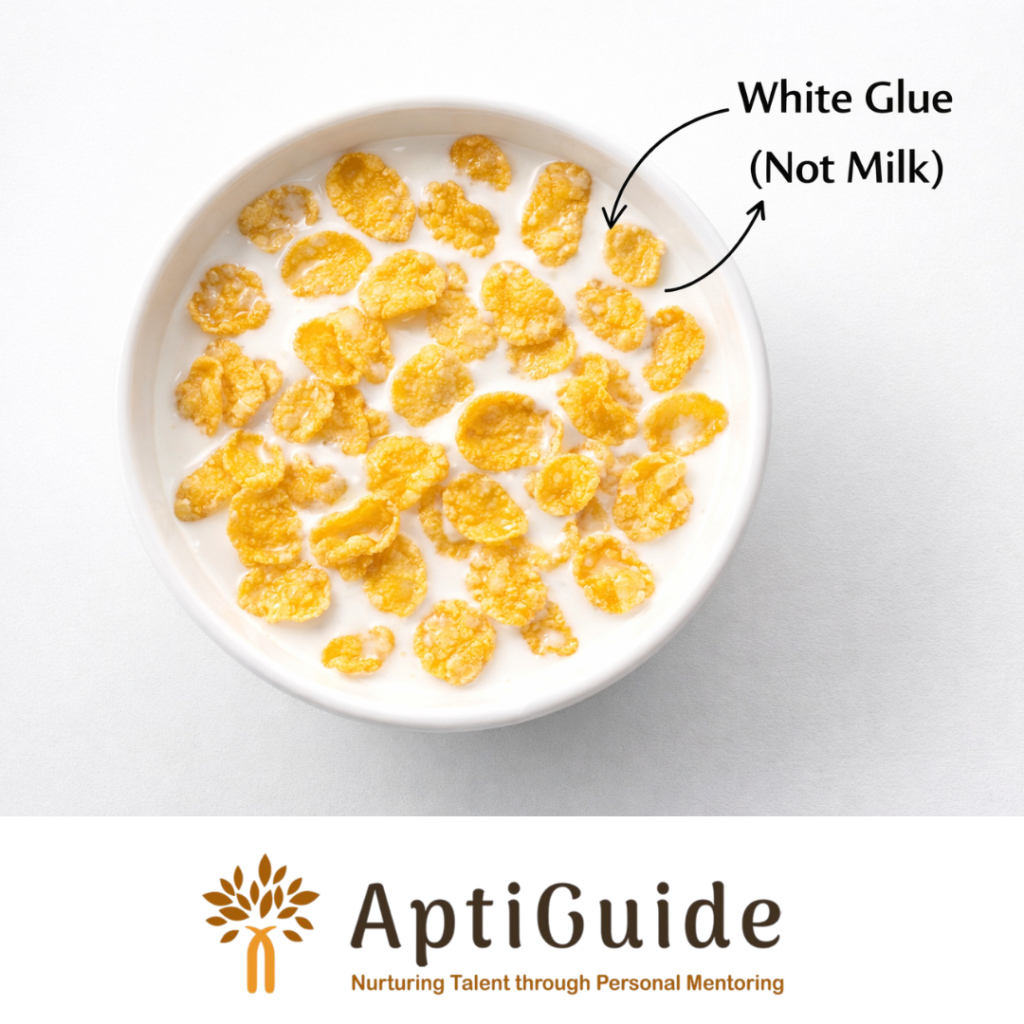
- The Cereal & Milk Hack: Have you ever noticed that cornflakes in TV commercials never look soggy? That is because stylists do not use milk. Real milk makes cereal sink and turn to mush instantly. Instead, they fill the bowl with White Glue (like Fevicol). The flakes sit perfectly on top of the glue, staying crunchy and photogenic for hours.
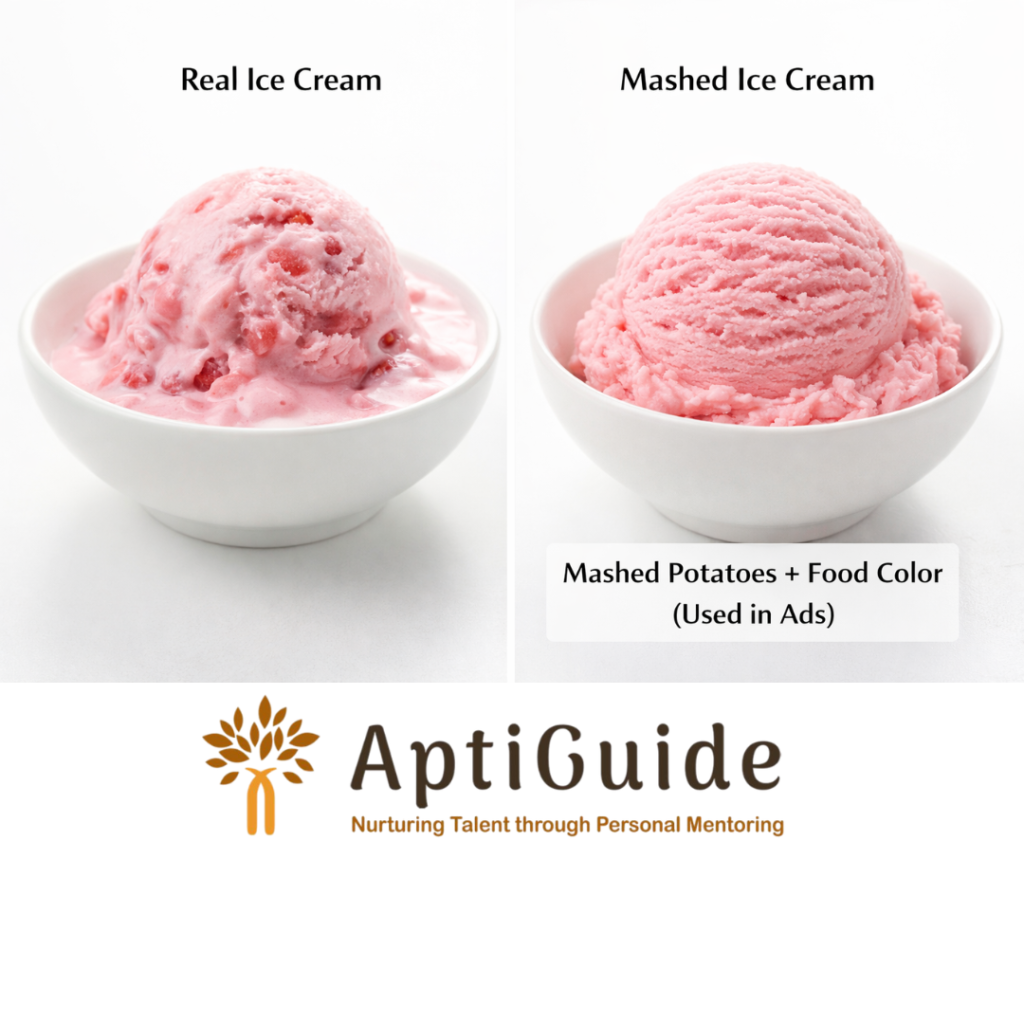
- The Ice Cream Hack: Studio lighting is incredibly hot. Real ice cream would melt into a puddle in less than 60 seconds. To solve this, stylists use scoops of Mashed Potatoes mixed with Food Color. It holds a perfect, rigid scoop shape all day long under the hot lights.
- The Pancake Syrup Hack: Real maple syrup absorbs directly into pancakes, leaving them looking dry and flat. Food stylists spray the pancakes with fabric protector and then pour Motor Oil over them instead. It mimics the golden flow of syrup perfectly but doesn’t soak into the batter.
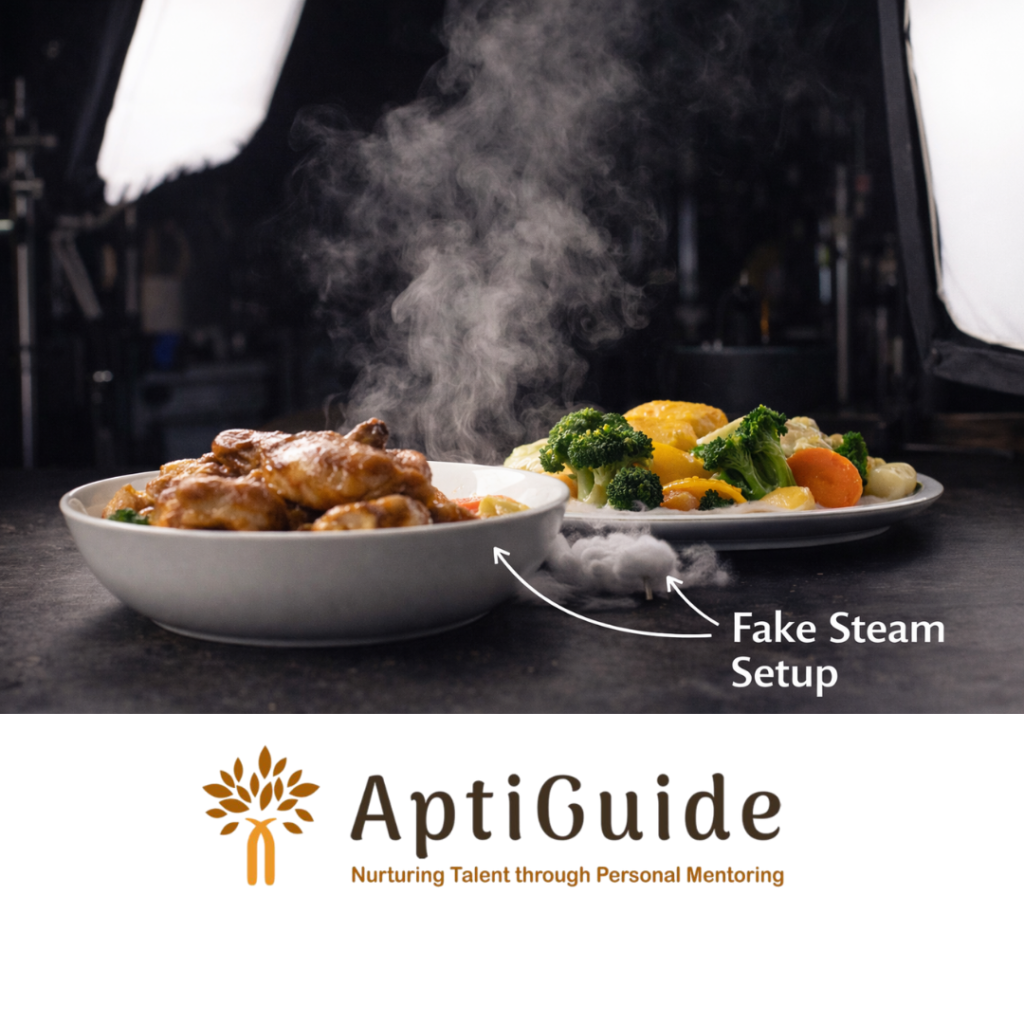
- The Steam Hack: Hot food gets cold fast, and cameras struggle to capture thin, natural steam. Stylists hide microwaved wet cotton balls or tampons behind the dish. These release thick, sustained plumes of fake “fresh steam” for the camera.
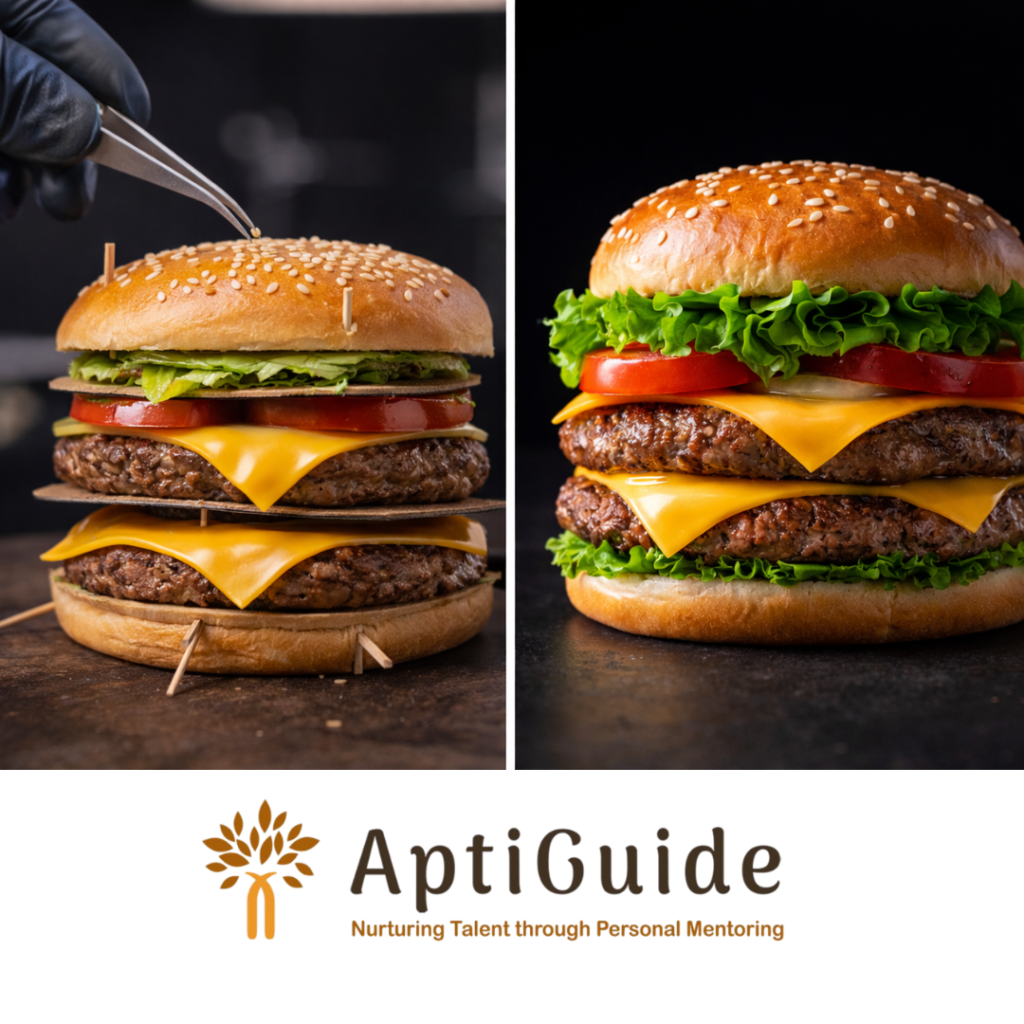
- The Burger Volume Hack: Real burgers collapse under the weight of their own buns due to gravity. In the studio, stylists use cardboard layers hidden between the meat, cheese, and tomatoes to force the burger to stand twice as tall as a real one. They even use tweezers to place individual sesame seeds on the bun.
The Financial Reality: Why Food Stylists Charge "Per Day"
One of the biggest advantages of this career is the economic structure. This is one of the rare careers in India where professionals charge a Day Rate rather than taking a fixed monthly corporate salary.
When major FMCG brands, FMCG packaging companies, or food delivery apps shoot their campaigns, they have massive production budgets. Here is what the earning potential looks like based on industry standards:
- Assistant Stylist (Entry Level): During your learning phase, you will assist a senior professional, earning between ₹1,500 – ₹3,000 per day.
- Independent Stylist (Mid-Level): Once you build a portfolio and start taking your own independent shoots for restaurants and digital ads, your rate jumps to ₹10,000 – ₹25,000 per day.
- Top-Tier Pro (Ad Films/Movies): Elite stylists working on national television commercials or massive billboard campaigns charge anywhere from ₹40,000 – ₹75,000 per day. Some top stylists even charge up to ₹50,000 per day of shooting.
The Strategic Insight: Think about the math here. If you are a mid-level stylist and you manage to land just 5 shoot days in a month at ₹20,000 per day, you are earning ₹1,00,000 a month. That means you can earn more working 5 days a month than many traditional IT graduates earn working 30 days a month.
The 2026 Academic Roadmap: How to Start After Class 12
Because this is a highly specialized niche, there is no single “Bachelor of Food Styling” degree available in India yet. This is a career built by layering specific skills on top of foundational culinary or design knowledge.
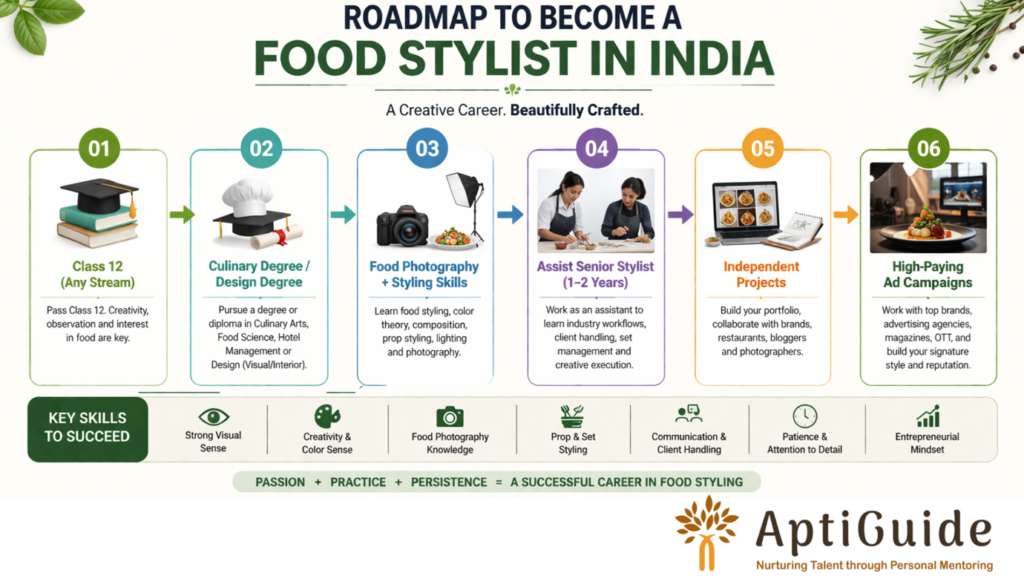
If you are currently in Class 11 or 12, here are the two best academic pathways to enter this industry:
Path A: The Culinary Route (Highly Recommended)
This is the most solid foundation because you cannot make food look good if you don’t understand how it behaves under heat and pressure.
- Step 1: Complete Class 12 (Any stream is acceptable).
- Step 2: Pursue a B.Sc in Culinary Arts or Hotel Management. Why? You absolutely must understand the science of food—how meat shrinks when roasted, how sauces thicken, and how vegetables wilt.
- Step 3: During your college years, actively specialize in food presentation and take short-term food photography workshops.
Path B: The Design/Photography Route
If you are more interested in the camera angles, lighting, and visual aesthetics than the actual cooking, this is your path.
- Step 1: Pursue a degree in Commercial Art, Photography, or Fine Arts.
- Step 2: Simultaneously take short-term diplomas in professional cooking or baking to understand food textures and plating.
Top Institutions in India to Launch Your Career
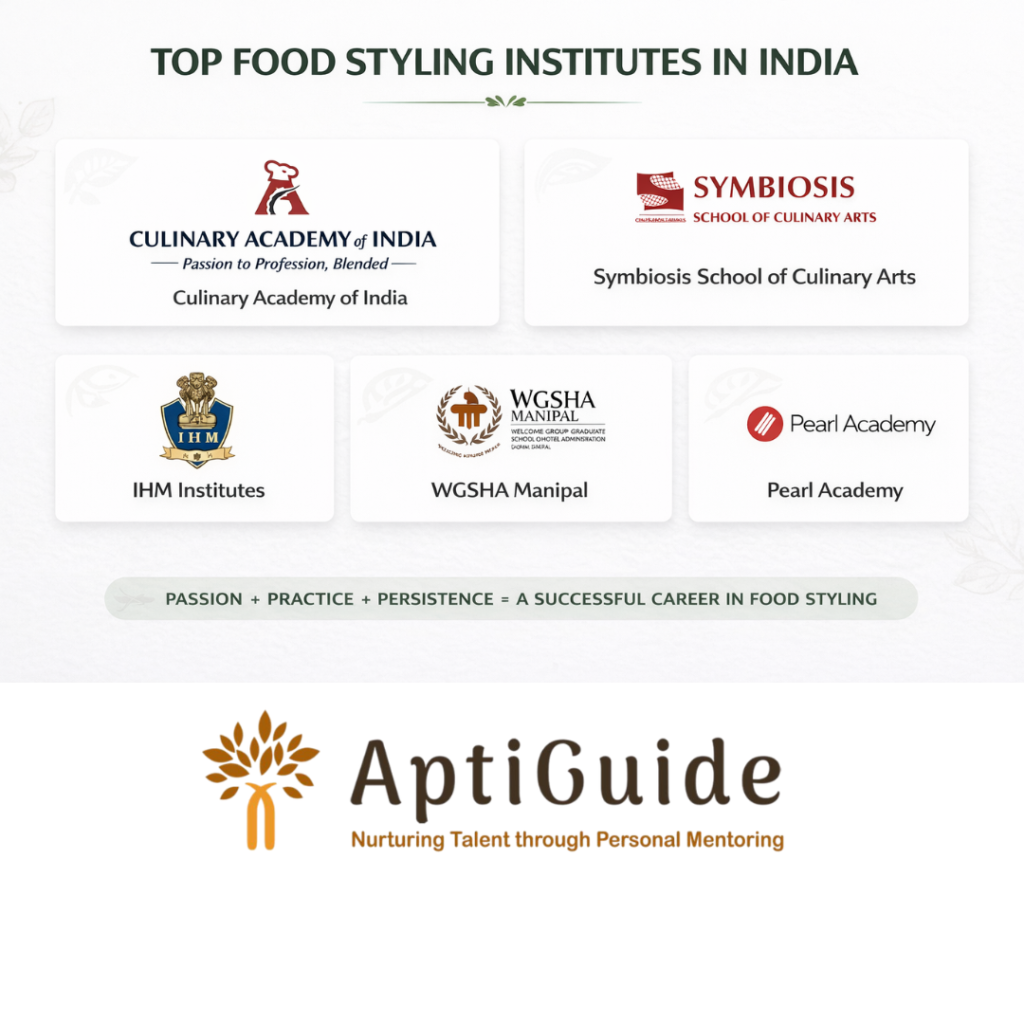
Since this career requires a deep understanding of either high-end culinary arts or visual design, you must target premium institutions. Here are the top colleges in India to build your foundation:
- Culinary Academy of India (Hyderabad): Known for building excellent, hardcore kitchen skills.
- Symbiosis School of Culinary Arts (Pune): Offers fantastic exposure to modern food aesthetics and presentation.
- IHM (Pusa, Mumbai, Aurangabad): The gold standard government institutes for hospitality basics.
- Welcomgroup Graduate School of Hotel Administration (Manipal): Known for top-tier industry connections and infrastructure.
- Pearl Academy / Srishti Institute: The best options if you are taking the Design/Photography route.
The Real “Graduate School”: You cannot graduate from college and instantly charge ₹25,000 a day. After your degree, it is mandatory to assist a Senior Food Stylist on set for at least 1 to 2 years. That on-the-ground apprenticeship is the real training ground for this career.
Is This the Right Career for You? (Aptitude & Fit)
This job sounds incredibly glamorous, but it requires a very specific psychological profile. Do not choose this career just because you like watching cooking reels on Instagram.
You will thrive as a Food Stylist if:
- You have extreme patience: Tweaking a single sesame seed on a burger bun for 45 minutes requires a highly meticulous, patient mindset.
- You work well under pressure: Advertising sets are expensive. When a Director yells “Action,” your food has to look perfect immediately.
- You have an entrepreneurial drive: You are essentially a freelancer. You have to pitch to clients, manage your own invoices, and network with ad agencies to get your next gig.
Stop Guessing Your Career. Build a Roadmap.
Careers like Food Styling prove that the modern 2026 economy rewards highly specialized skills, not just generic degrees. However, finding these niche, high-paying career paths is difficult without proper guidance.
At AptiGuide, we don’t just tell students to “follow their passion.” We use deep psychometric testing, parent-student alignment, and market data to figure out exactly what your brain is wired for, and then we build a step-by-step academic roadmap to get you there.
If you are confused about which stream to choose in Class 11, or which undergraduate degree will actually give you a high ROI, do not rely on guesswork.
We provide end-to-end career guidance, entrance test preparation, study abroad consulting, and profile building to help students make the right decisions and achieve long-term success.
Courses Category
Address & Contact
2nd Floor, Crystal Plaza, SCO-2, Market, near P.I.M.S Hospital, above ICICI Bank, Choti Baradari Part 1, Choti Baradari, Jalandhar, Punjab 144001
Call Us : 91 70097 33841
We are open from Monday to Saturday
10:00 AM - 07:00 PM
Copyright 2026 © All Right Reserved by AptiGuide