Unleash Your Potential
Architecting Global Careers & Elite Admissions
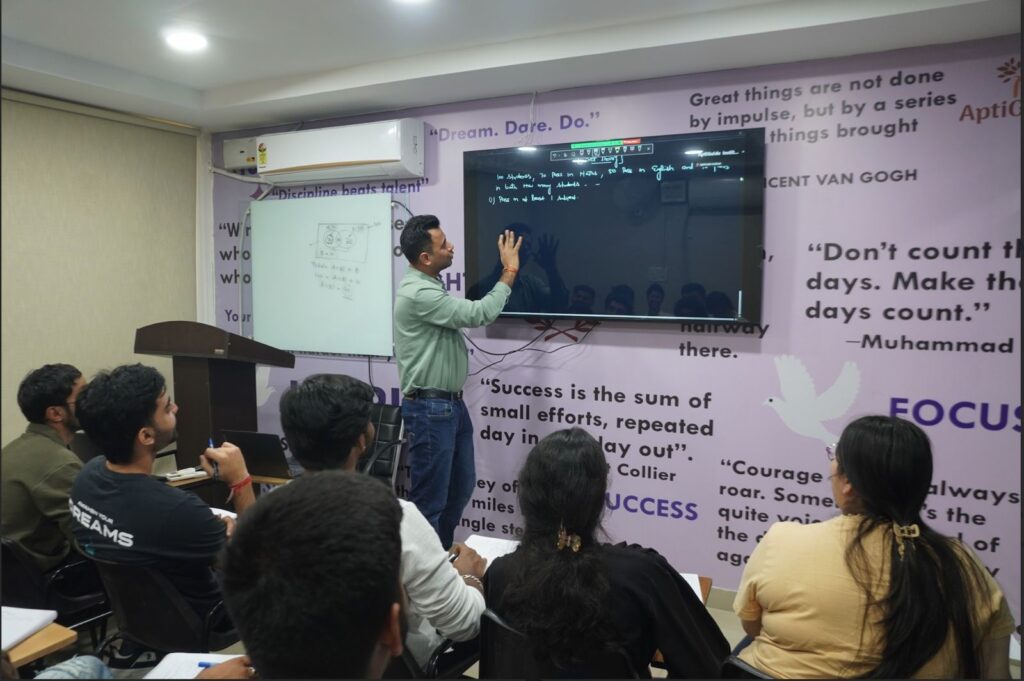
AptiGuide is a founder-led career pathway platform based in Jalandhar, mentoring students across India through structured exam preparation, study abroad consulting, and long-term academic strategy.
We do not operate as a franchise or mass-batch coaching center.
We build structured academic progression — from clarity to competitive outcomes.
Why Choose AptiGUide
The AptiGuide Career Journey Framework
Academic success is structured. We guide students across five progressive stages.
Career Discovery (Grade 8–10)
Psychometric assessment, structured parent-student questionnaires, and guided stream selection ensure clarity before academic commitment.
Stream & Entrance Strategy (Grade 11–12)
Strategic alignment for IPMAT, CUET, NPAT, and subject combinations — supported by early benchmarking
Competitive Exam Preparation
Structured preparation for CAT, GMAT, GRE, SAT, and IELTS powered by analytics, attempt mapping, and founder-led mentoring.
Study Abroad & Applications
University shortlisting, SOP/LOR mentoring, scholarship positioning, and visa assistance across USA, UK, Germany, Dubai, Singapore, Australia, and Canada.
Interviews & Final Selection
GD/PI mentoring and final admission conversion strategy.
Popular Faculty
OUR CORE EXPERTISE AREAS

Test Preparation
Structured preparation for IPMAT, CAT, GMAT, GRE, SAT, and IELTS.
- 10-time 99+ CAT percentiles (Founder)
- Highest 99.92 percentile
- Powered by the proprietary RAMA Framework™ for structured verbal mastery
- AI-powered analytics portal
- Limited offline batches in Jalandhar

Study Abroad Consulting
End-to-end admissions consulting across USA, UK, Germany, Dubai, Singapore, Australia, and Canada.
Recent outcomes:
- Columbia University admit
- 2 Imperial College London admits
- 3 students with 100% scholarships

Career Counselling & Psychometric Testing
Designed for students seeking clarity before academic commitment.
- Structured aptitude evaluation
- Detailed parent-student consultation sessions
- Personalized academic and career roadmap report
- Alignment with future entrance and global pathways

GD/PI & Interview Mentorship
For IIM interviews, MBA admissions, IPMAT interviews, and scholarship rounds.
- Structured interview frameworks
- Communication refinement
- Featuring the AptiGuide Persona Profiling System™ for authentic interview conversions
Why Students & Parents Choose AptiGuide
Founder-Led Academic Strategy
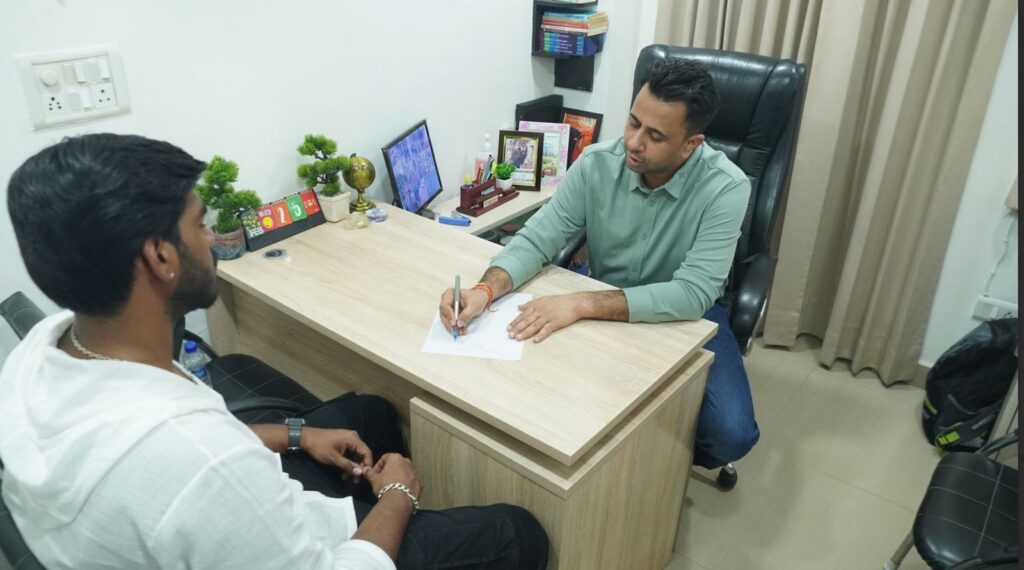
Anshul — 16+ years mentoring | 10-time 99+ CAT percentiles | Highest 99.92 percentile
Priyanka — Gold Medalist (MA English) | 10+ years mentoring | Architect of structured verbal systems
Every major academic decision flows through direct founder oversight.
Structured Preparation Architecture
- AI analytics dashboard
- National benchmarking
- Hybrid classroom + online flexibility
- Consistent doubt resolution
- Personalized attempt strategy
Long-Term Mentorship Model
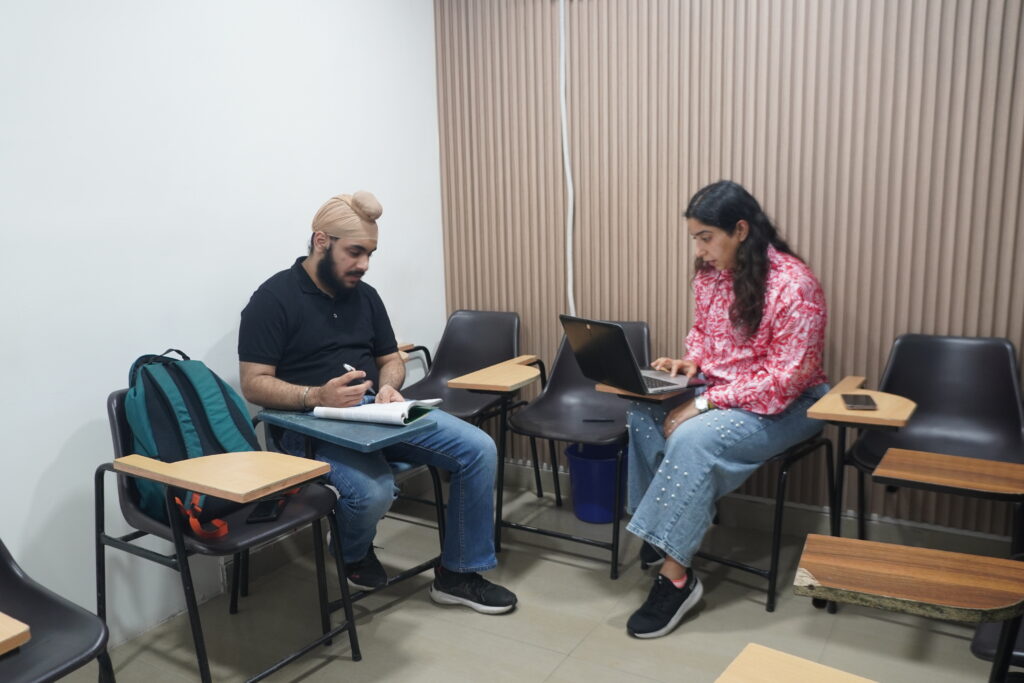
Students often begin with counselling, prepare for entrance exams, and later pursue global admissions.
We build progression — not transactions.
INTRODUCTIOn
Our Structured Process
Step 1 — Assessment
Psychometric + academic evaluation.
Step 2 — Strategic Planning
Personalized roadmap aligned with aptitude and market realities.
Step 3 — Structured Preparation
Exam training, analytics tracking, benchmarking.
Step 4 — Execution
Applications, interviews, visa guidance.
Step 5 — Outcome
Admissions, scholarships, placements.
Quick Answers
Frequently Asked Questions
Q1. Is coaching in Jalandhar competitive enough for CAT or GMAT?
Yes. Competitive outcomes depend on structured preparation systems, analytics, and faculty consistency — not geography. AptiGuide students have achieved 780 GMAT, 334 GRE, 1550 SAT, and international admits while preparing from Jalandhar.
Q2. Should students relocate to Chandigarh or Delhi?
Relocation does not guarantee better preparation. Structured mentoring, personalized doubt resolution, and benchmarking matter more than geography.
Q3. Is studying abroad too expensive?
With strategic university shortlisting and scholarship positioning, students have secured up to 100% scholarships. A structured approach reduces financial risk.
Q4. Why is career counselling important?
Structured psychometric assessment and roadmap planning reduce academic misalignment and improve long-term outcomes.
Q5. Are your results from multiple centers?
No. All outcomes originate from a single founder-led center. We do not aggregate franchise data.
MEET THE FOUNDERS
AptiGuide was founded on 12 May 2018 to create a mentorship-first alternative to franchise coaching models.
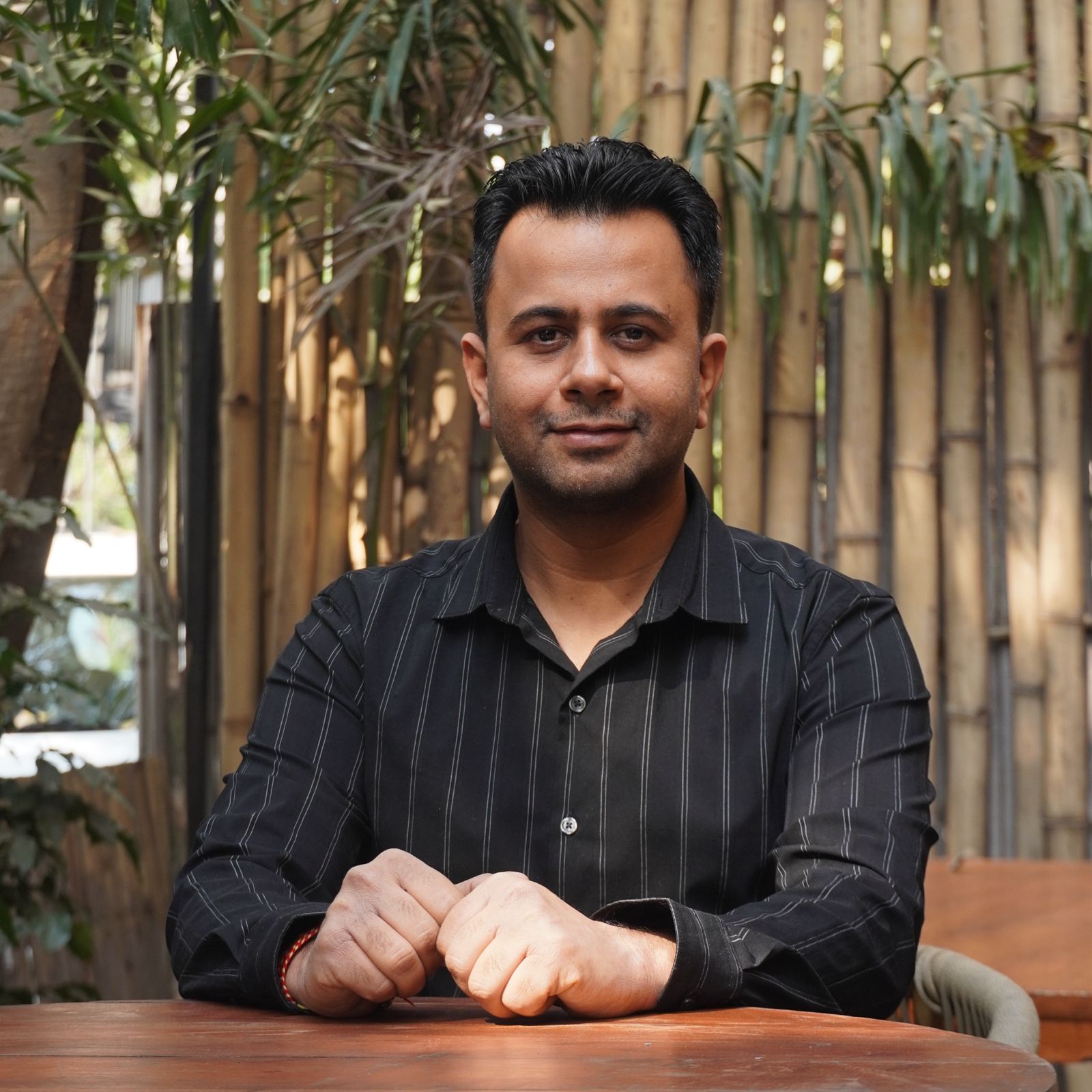
Anshul brings analytical rigor and competitive exam expertise developed over more than a decade of mentoring.
Priyanka brings academic precision and structured communication mentoring.
Together, they built a career architecture platform grounded in clarity and measurable outcomes.


We provide end-to-end career guidance, entrance test preparation, study abroad consulting, and profile building to help students make the right decisions and achieve long-term success.
Quick Links
Courses Category
Address & Contact
2nd Floor, Crystal Plaza, SCO-2, Market, near P.I.M.S Hospital, above ICICI Bank, Choti Baradari Part 1, Choti Baradari, Jalandhar, Punjab 144001
Call Us : 91 70097 33841
We are open from Monday to Saturday
10:00 AM - 07:00 PM
Copyright 2026 © All Right Reserved by AptiGuide